


Metalworking
In metalworking, joining different metals through soft soldering, brazing, and welding is an integral part of the manufacturing process. The soft soldering process, with soldering temperatures up to a maximum of 450 °C, is well-suited—with the appropriate selection of flux—for copper, copper alloys, aluminum, and both alloyed and unalloyed steel grades. For joints with higher requirements for strength or temperature resistance, brazing with copper and silver brazes at temperatures between 650 °C and 800 °C, or brass brazes at a processing temperature of around 900 °C, is suitable. For brazing aluminum, soft brazing alloys with brazing temperatures ranging from approximately 280 °C to 430 °C are primarily used. This requires the use of special aluminum fluxes and aluminum soft brazing pastes.
Discover ProductsSelect a soldering process for metalworking
Quality Builds Trust
We want only the best for our customers. That is why we place a high priority on consistently high quality. We have this commitment officially confirmed each year by DEKRA through DIN EN ISO 9001 certification.
Custom Inquiries
Our experienced team is here to provide you with expert advice on your specific inquiries. We understand your individual needs and work closely with you to develop customized solutions that meet your requirements.
FELDER Recycling
When it comes to the metal “tin,” FELDER GMBH ranks among the top three companies in Germany in terms of the use of recycled raw materials. FELDER Recycling focuses exclusively on the recycling of tin-based solder waste and has been certified as a specialized waste management company since June 2000.
Product Highlights in the Metalworking Sector

Soft solder bar Sn60Pb40Sb
for soldering with torch and soldering iron in roofing and metalwork
 4product variants
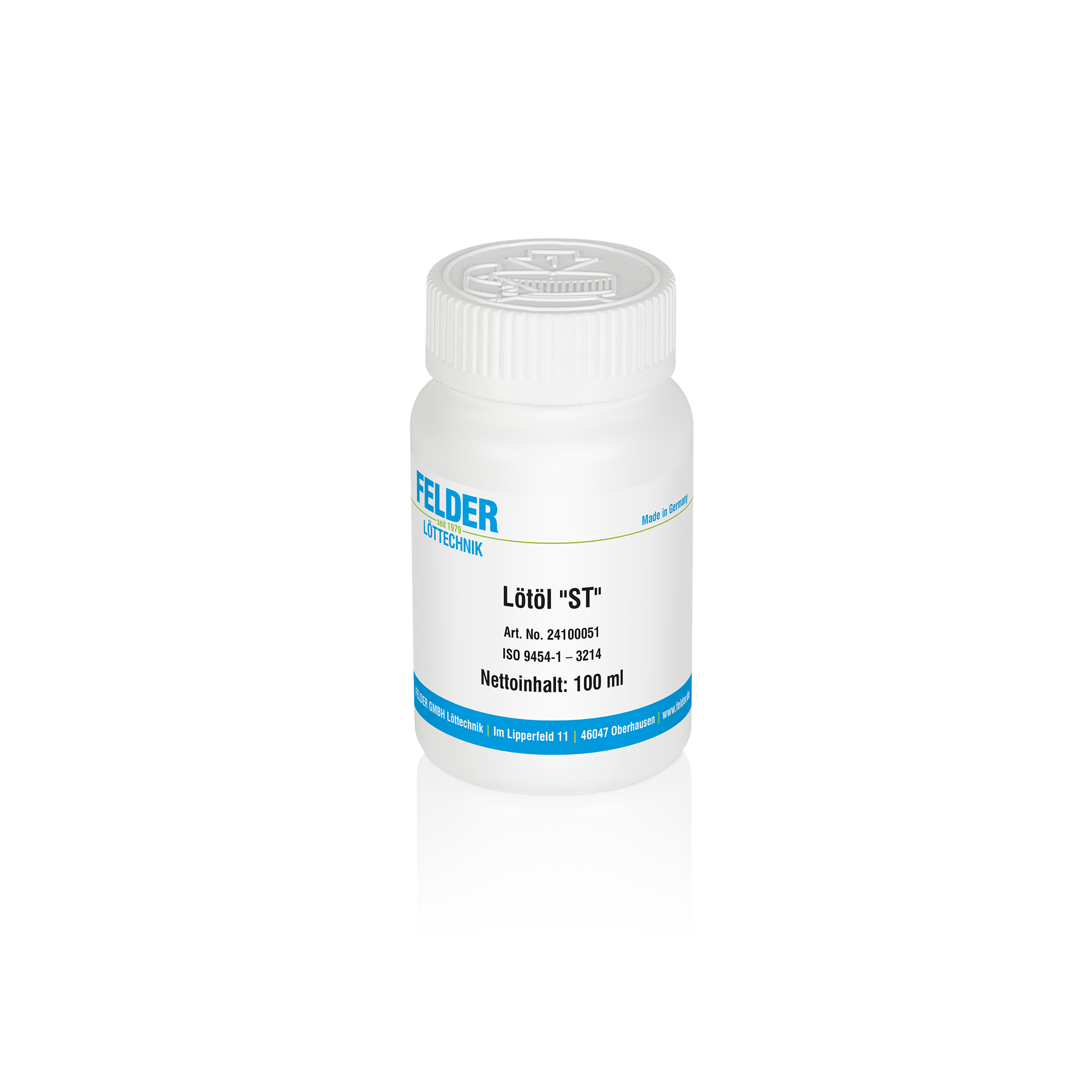
Soldering oil “ST”
for soft soldering of steel and stainless steel
 3product variants
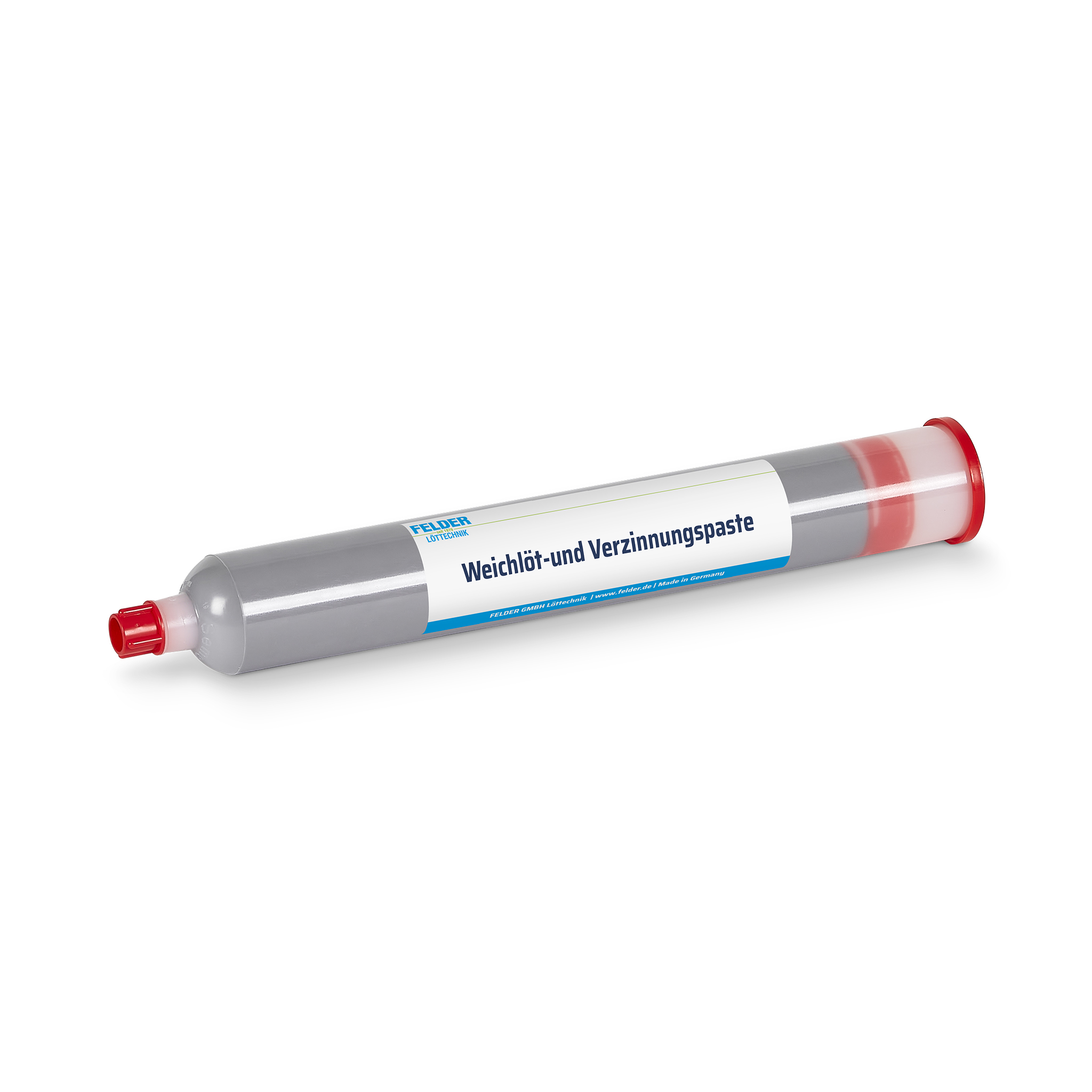
Aluminium soft soldering paste Sn97Cu3
for lead free soldering and tinning of aluminium and aluminium alloys
 2product variants
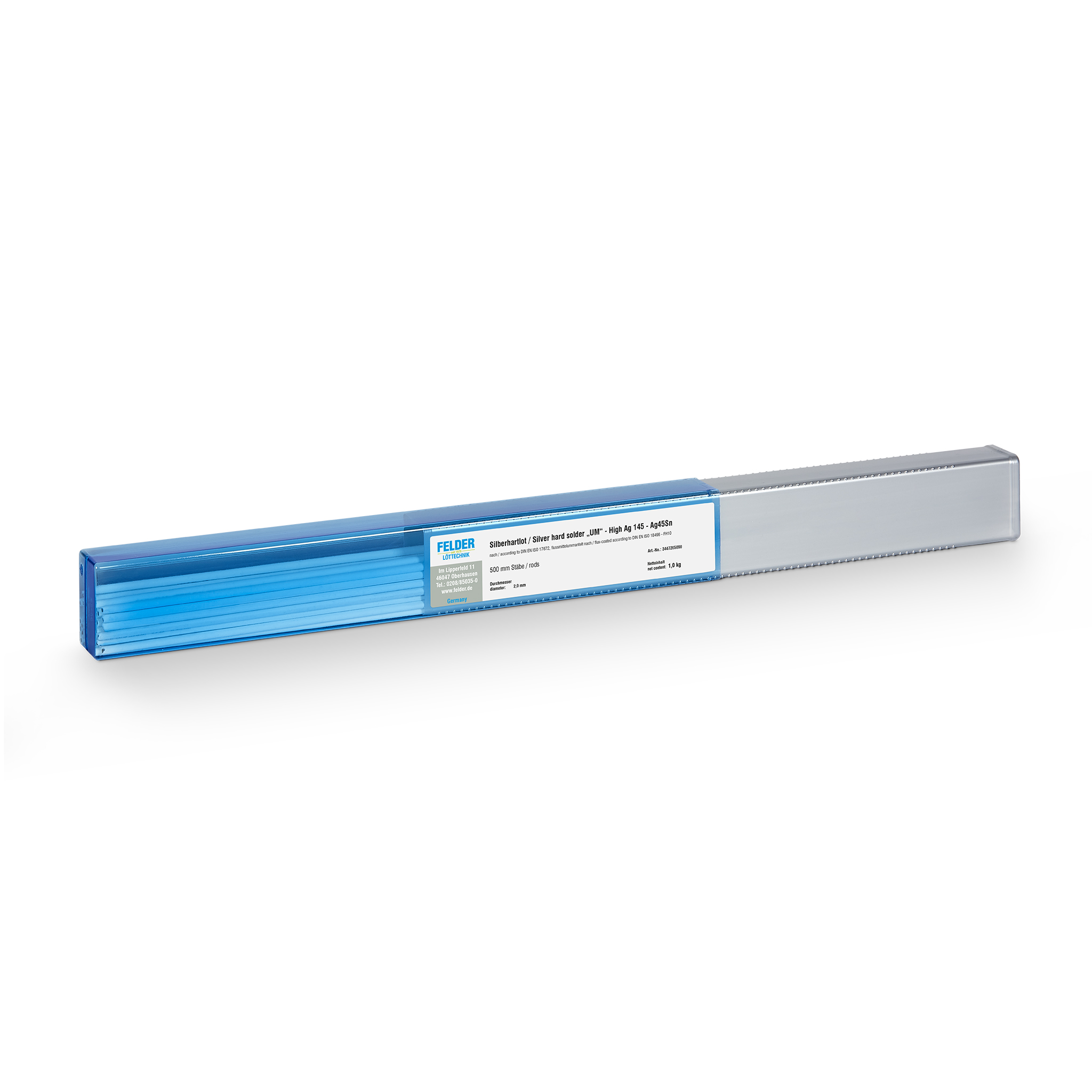
Silver brazing alloy Ag 145 “UM”-High
45 % silver brazing alloy (L-Ag45Sn) – flux coated
Soldering Processes in Metalworking
Brazing and soldering processes enable precise, stable joints in metallic materials. While brazing offers high strength, soldering is suitable for a wide range of applications that require low heat input. Both processes are essential for durable and reliable material-to-material joints.
Learn more about soldering processes in metalworking!
Brazing
Unlike welding, brazing offers several important advantages in metalworking. For example, it allows dissimilar materials to be joined together. The lower heat input during brazing results in less residual stress in the material. This joining method is particularly valuable in industries that require precision and reliability, such as aerospace, mechanical engineering, automotive body construction, heating, ventilation, and air conditioning (HVAC), and, of course, drinking water and heating systems. FELDER Cu-Rophos copper brazing alloys, FELDER silver brazing alloys with silver contents ranging from 5 to 72 percent, and FELDER brass brazing alloys have been established in these fields for decades. Depending on the type, these brazing rods are available as flux-coated rods, flux-filled rods, and also as bare rods in round and square cross-sections. When using the bare rods, with the exception of the FELDER Cu-Rophos copper brazes, additional brazing flux must be used. Whether an FH10 type—such as Cu-Rosil, CuFe No. 1, or CuFe P (powder)—the FH12 flux CuFe No. 1 Special, or an FH21 type such as the FELDER brazing flux “UNIVERSAL” (as a paste or powder), depends on the processing temperature and the specific application. For welding various materials, FELDER offers a range of welding consumables: aluminum, copper, stainless steel, brass, and gray cast iron welding wires, as well as a wide selection of oxy-acetylene welding wires.
Product Categories:
Soft Soldering
The standard alloys Sn99.3Cu0.7, Sn97Cu3, and Sn97Ag3—available as rod stock as well as solid wire—are indispensable for soft soldering most materials in metalworking. However, lead-containing alloys are still in use. Depending on the materials being brazed, suitable fluxes must be used, each of which must be appropriate for the specific application. For example, for general brazing work on copper, copper alloys, and unalloyed steels, FELDER “Brazing Water” or “All-Purpose Brazing Gel” are ideally suited; Stainless steels must be brazed with special fluxes, such as “ST” brazing oil or “VA-Nox.” Similarly, aluminum and many aluminum alloys are materials that can only be wetted with special fluxes, such as the aluminum soft-brazing flux or the “ZnAl” aluminum flux. The wide range of ISO-Core “SP,” “KD,” “VA,” “AL,” “Stearin,” and “Kolo” cored wires enables efficient brazing of nearly all metallic surfaces. In some cases, it may be more convenient to use soft solder pastes. In our product portfolio, you’ll find these pastes for general brazing (soft-brazing and tinning paste), for stainless steel (tinning paste for stainless steel), and also for aluminum (aluminum soft-brazing paste).
Product Categories: